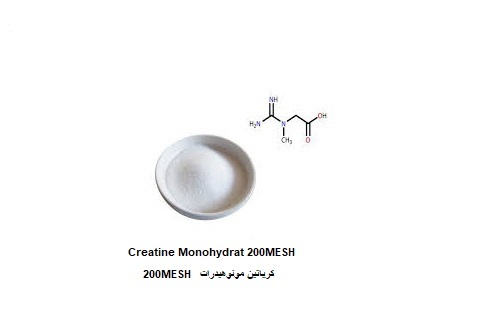
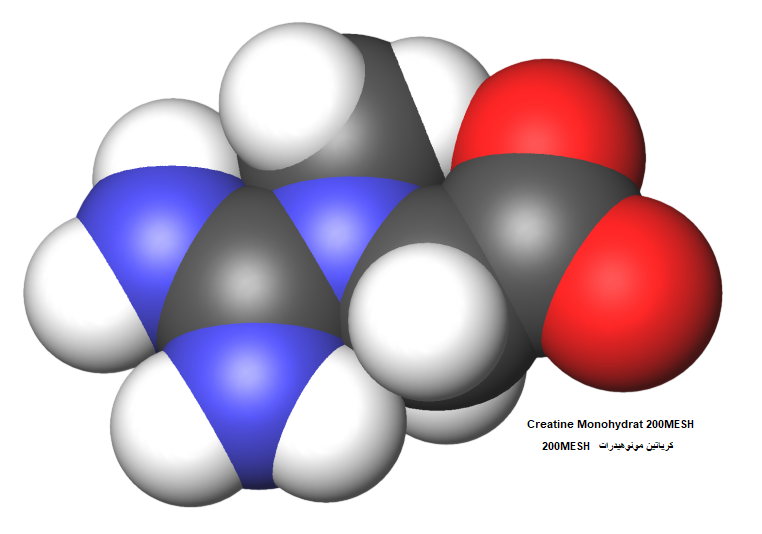
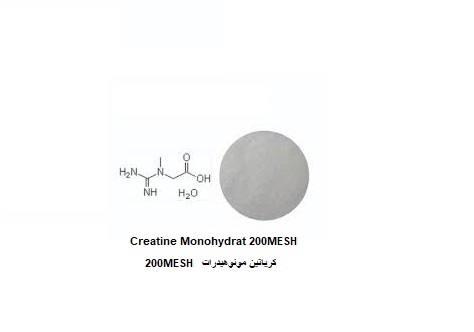
Creatine Monohydrate 200MESH


  • Creatine is an organic nitrogen compound obtained from foods we eat daily, such as meat and fish, which contain approximately 5 grams per kilogram. A typical daily diet provides about 1-2 grams of creatine. Vegetarians, however, naturally have lower creatine levels than those who consume meat and fish.
  • Creatine can also be obtained from internal sources, as it is primarily synthesized in the liver, pancreas, and kidneys from certain essential amino acids obtained from within the body, namely glycine, arginine, and methionine. The total body creatine level (creatine + creatine phosphate) in human skeletal muscle is approximately 125 mmol/kg, with muscles containing 95% and the remaining 5% found in the heart, brain, kidneys, and testes. Creatine phosphate is the form from which the body and muscles obtain energy.

Scientific Data:


  • Official name (IUPAC) 2-Methylguadenidoethanoic acid
  • Other names    α-methylguadienidoacetic acid
  • Registration number (CAS)     57-00-1
  • PubChem         586
  • chemical formula        C4H9N3O2.H2O
  • molar mass     131.13 g.mol −1
  • Melting point  303 °C (decomposes.)

Creatine Monohydrate uses:


• Uses of Creatine Monohydrate in the veterinary medicine sector:

Creatine monohydrate is used in veterinary medicine as a high-performance nutritional supplement, and is particularly popular for horses (especially racehorses) and camels. Its use aims to support physical performance, increase muscle mass, and boost energy.


• Uses of Creatine Monohydrate in Human Medicine:

Creatine monohydrate is one of the most scientifically studied nutritional supplements and is widely used in the sports and medical fields to improve physical performance and vital functions. It is considered safe for human consumption when taken at the recommended dosages.


• Uses of Creatine Monohydrate in Agriculture:

  •             Based on available information, there is no known or effective agricultural use of creatine monohydrate for plants.
  •              Creatine is a nutritional supplement specifically designed to provide energy to muscle tissue in animals and humans. Plants lack the biological pathways necessary to utilize creatine for their growth, and if applied to plants, soil microbes may convert it into nitrogenous compounds, meaning it will not harm the plant but will also not directly benefit it.


• Use of Creatine Monohydrate in the Cosmetics Sector:

            Creatine monohydrate is increasingly used in cosmetics, particularly in skincare products, due to its active properties that go beyond muscle support to include improving skin health and appearance.


• Use of Creatine Monohydrate in Dietary Supplements and Muscle Building:

          Creatine monohydrate is the most effective and well-studied supplement for increasing strength, muscle mass, and athletic performance. It works by increasing phosphocreatine storage in muscles for faster energy production (ATP) during high-intensity exercise. It helps accelerate muscle recovery, enhances training adaptation, and is safe for long-term use. Drinking plenty of water is recommended.